STEM Goes Wild
Hands-on learning. Big ideas.
BRITISH SCIENCE WEEK 2027 SCHOOL WORKSHOPS
Make British Science Week easy to organise
Exciting, hands-on workshops. Practical science taken care of.
Bring experiments, investigations and engineering challenges into your school. Children get hands-on: making, building, testing and exploring for themselves.
Choose from the existing workshop programme, or tell me your year groups and I’ll recommend suitable sessions. I bring the equipment and materials, lead the workshops and take care of setting up and clearing away.
Official dates: 5-14 March 2027. Theme: Creativity.
No theme or finished plan needed. Visits outside the official week are welcome too.

Turn a question into a working idea.
Coventry, Bedworth, Nuneaton, and nearby areas
Nearby areas by arrangement. · KS1 & KS2 · Materials included
Ready-made workshops for your curriculum topics
Choose a practical session that connects with what your pupils are learning, or tell me your year groups and I’ll recommend suitable ready-made workshops. I bring the equipment, materials and hands-on science.
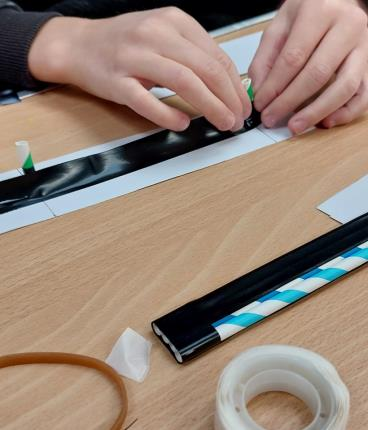
Forces & movement
Build, test and improve moving models while investigating how forces affect movement.
Curriculum focus: Forces, comparative testing and design & technology.
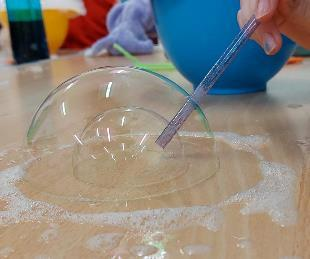
Materials & states of matter
Compare solids, liquids and gases, investigate material properties and explore how materials can change.
Curriculum focus: Everyday materials, states of matter and comparative testing.
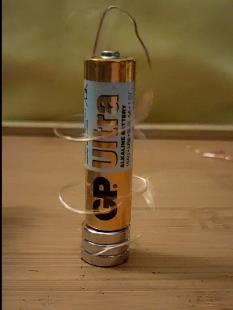
Magnetism
Test magnetic materials, investigate attraction and repulsion, and explore how magnets are used in everyday technology.
Curriculum focus: Forces and magnets; electricity extensions.
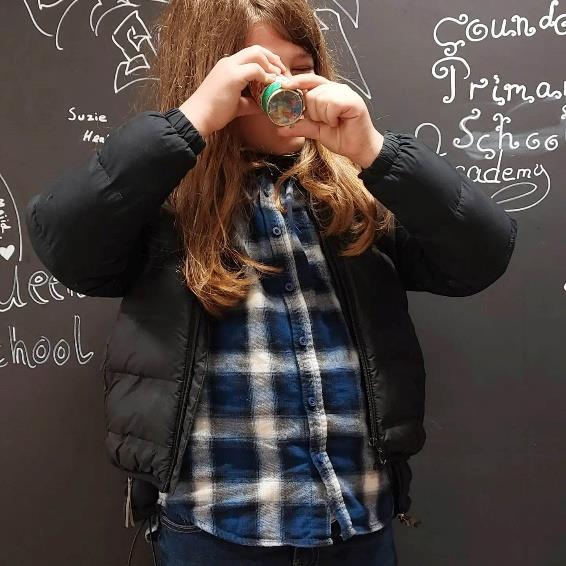
Light, colour & optics
Investigate light, reflection and colour through practical tests and optical models. Children observe effects and explain what they see.
Curriculum focus: Light and reflection; optics enrichment.
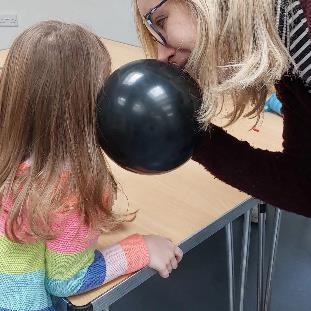
Sound & vibrations
Explore how sound is made and travels. Test vibrations through different materials and make a model or a simple musical instrument.
Curriculum focus: Sound, vibration and comparative testing.
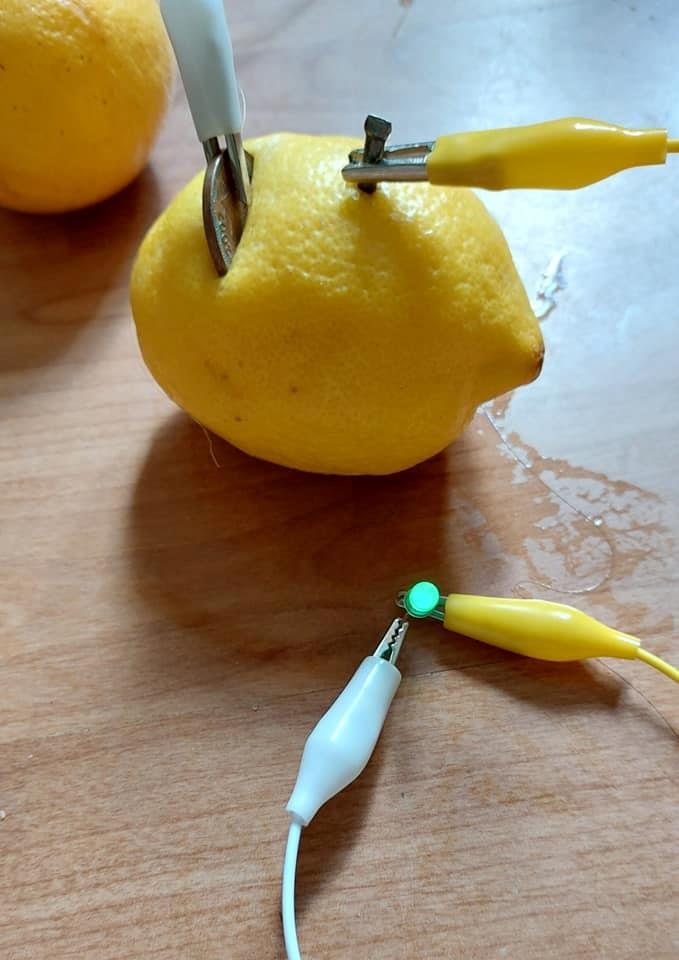
Electricity & circuits
Build complete circuits, test connections and troubleshoot working models. Children discover how electrical components work together.
Curriculum focus: Electricity, circuits and scientific enquiry.
Plants & growing
Investigate what plants need to grow, explore their structures and compare growing conditions through practical activities.
Curriculum focus: Plants, growth and observation over time.
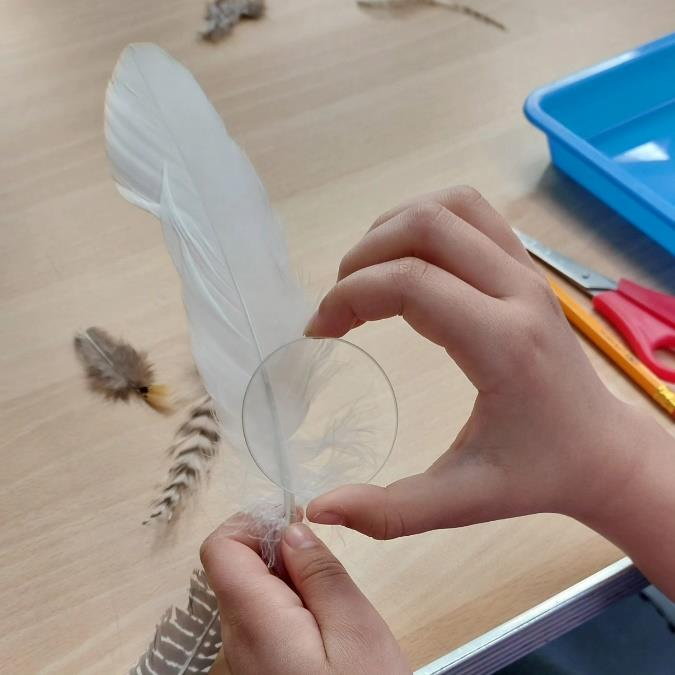
Living things & habitats
Examine living organisms, compare their features and explore how they suit their habitats. Feather investigations connect animal structures with their functions.
Curriculum focus: Living things, habitats and animal adaptations.
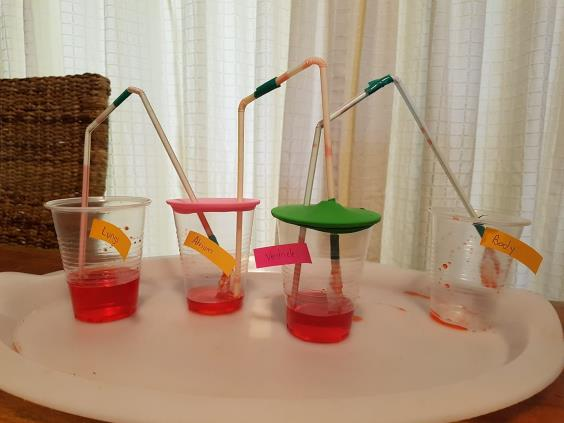
The human body
Investigate digestion, circulation, breathing or movement through hands-on models. Children build, test and explain how body parts work together.
Curriculum focus: Animals, including humans; body systems and model-making.
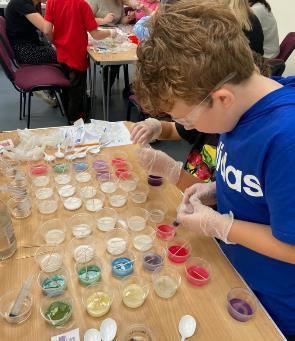
Chemical reactions & changes
Observe fizzing, colour changes and other signs of a reaction. Compare results and explore how a chemical change differs from a physical change.
Curriculum focus: Properties and changes of materials; scientific enquiry.
Earth & space
Explore the solar system through models and measurement, or investigate how plants might grow beyond Earth. Practical space activities bring big ideas to life.
Curriculum focus: Earth and space, measurement and scale; enrichment.
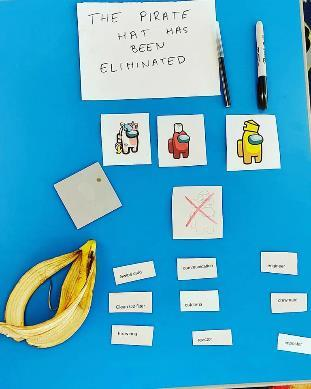
Science detectives & history
Work in teams to solve a fictional mystery by examining evidence and comparing results. History-linked options include Time Detectives: the Gunpowder Plot.
Curriculum focus: Working scientifically, materials and cross-curricular history.
Activities are adapted for your pupils and agreed learning focus. The curriculum links above are starting points; more advanced ideas can be offered as enrichment. You don’t need to choose a topic before enquiring.
FULL SCHOOL PROGRAMME 2026–27
Want to see all the options?
Request the STEM Goes Wild School Workshop Brochure 2026–27 to explore all 32 workshop options, recommended year groups, session lengths and prices.
Request the full workshop brochure
Not sure what would suit your school? Tell me your year groups and how many classes you’d like to involve. Ask for workshop recommendations and I’ll help you narrow it down.
A visit that fits your school day
Book one class workshop, two workshops in a half day, or three in a full day. I’ll help you choose sessions and agree a timetable that fits your school.
One workshop
£165
One class workshop
A focused session to explore a current topic or introduce something new.
Half day
£300
Two class workshops
Repeat a topic for two classes or choose activities for each group.
Full day
£420
Three class workshops
Three class workshops, with suitable activities recommended for each year group.
All agreed activity materials and equipment included. Most sessions run for 60–90 minutes. Your quote confirms the programme, numbers, timetable and any travel charge or resource-intensive custom costs.
Engineering: Build it. Test it. Make it better.
Children become engineers as they tackle practical challenges, build working models and test their ideas. They discover what works, what doesn’t, and how a small change can make a big difference.
Engineering workshops are one way to explore the 2027 theme, Creativity. Chemistry, circuits, the human body and other topics are available too.
Your theme, or one of ours
Already have a Science Week theme or classroom topic you’d like to explore? I’ll help you find a workshop that fits, with adaptations agreed for your pupils.
No theme yet? No problem.
There are plenty of ready-made workshops to choose from. Tell me your year groups and I’ll recommend suitable sessions. Customisation is an option whenever it would help.
EQUIPMENT, MATERIALS, SETUP & CLEAR-UP
I handle the practical science
I bring the agreed equipment and materials, set up, lead the workshops and clear away. Your school provides suitable tables and activity space, access to water where needed, and agreed school-staff support. Sessions run one class at a time; I’ll help arrange the sequence.
Enhanced DBS and £10m public and products liability cover. Relevant risk assessments, safeguarding policy and current evidence are available on request.
Let’s make your Science Week easy
Tell me your school, year groups, how many classes you’d like to involve and your preferred dates. I’ll recommend suitable workshops, check availability and confirm the practical arrangements and price.
No theme or finished plan needed.
Funding for some schools
You can book using your school budget. Funding is optional and is not needed to enquire.
2027 school funding
Applications close 4 November 2026 at 5pm
Explore Kit Boxes provide practical resources for primary settings, rather than cash to pay a workshop provider.
The £600 Curiosity Grant prioritises secondary schools and colleges. Eligible primary schools can apply where the project meets its priorities and their needs cannot be met by a kit box.
A paid workshop may form part of a suitable research or innovation project. Spending the entire grant on a commercial provider is unlikely to be funded. The school applies; an award is not guaranteed.
STEM Goes Wild is an independent workshop provider. British Science Week is organised by the British Science Association.
Other school options
STEM Goes Wild
Hands-on learning. Big ideas.
Coventry & Warwickshire